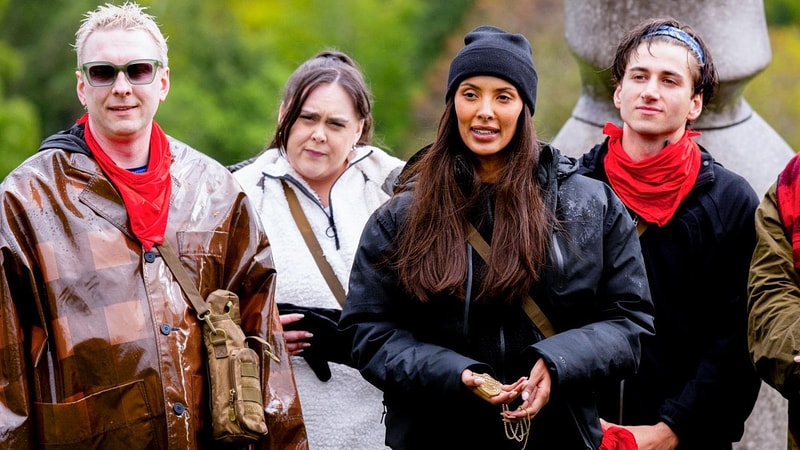

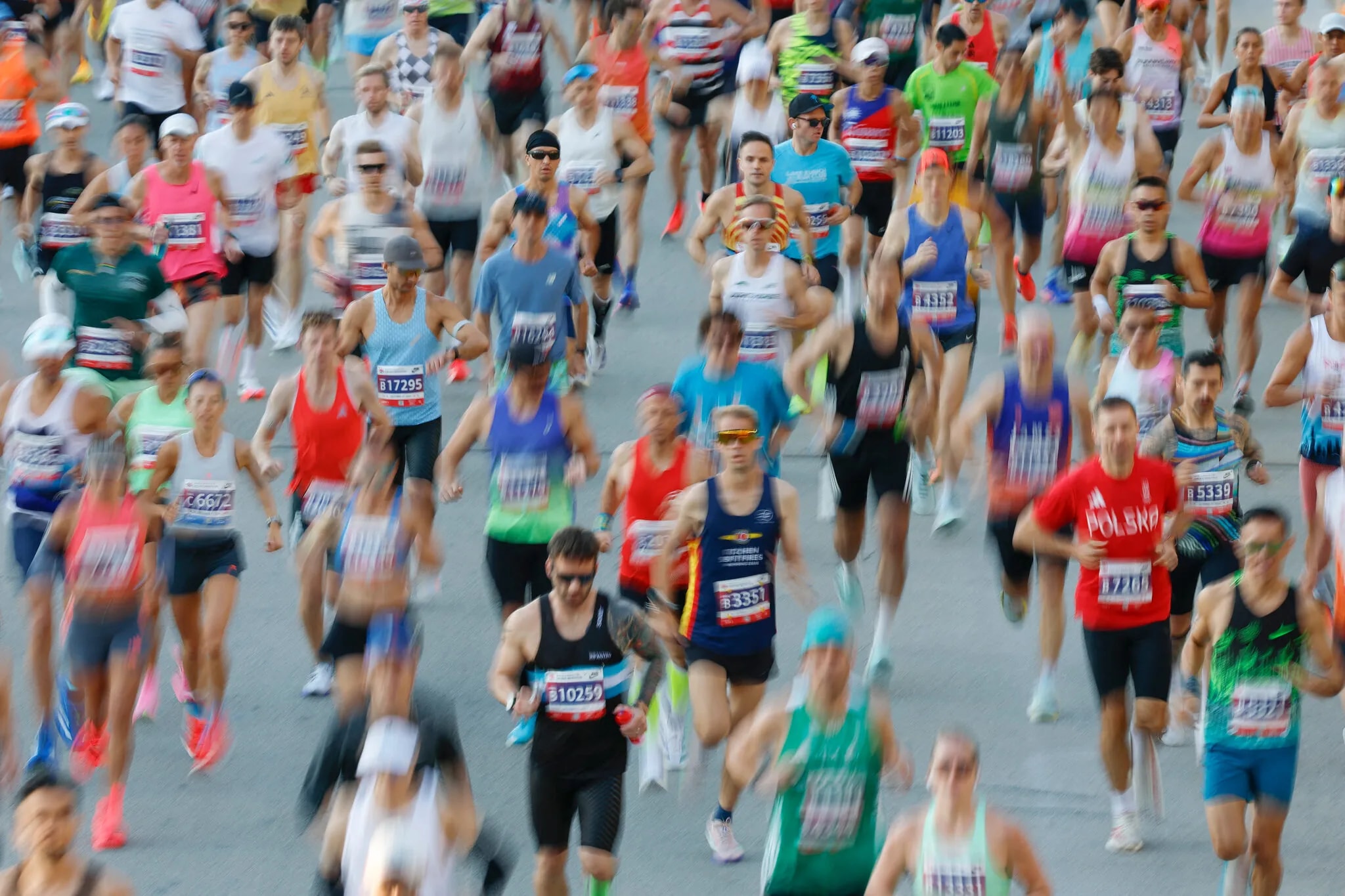
There are climate stories that live in data, and there are those that live in the lungs. The Chicago Marathon supplied the second kind. A journalist who covers warming lined up not to file colour from the barriers but to run, and the race returned a hard lesson. The sport of marathon running is already being disrupted by a hotter world.
Marathon running sells itself as a triumph of preparation. Chicago suggested a humbler moral. You can train for hills, for boredom, for the quiet panic that arrives late in a race. You cannot train the atmosphere into something it is not. For a correspondent used to describing climate at a distance, the course closed that distance without mercy.
Heat as a fellow competitor
That is the disruption hiding in plain sight. Race day is an outdoor occupation measured in hours. As the climate warms, the margin for human effort narrows. Chicago did not need to be a catastrophe to teach this. It needed only to be real. The newsletter host who ran it has now told that story from the inside, which is a different voice from the one that comes from a press box.
“The course closed the distance without mercy. Warming was no longer copy. It was the day itself.”
— From the Chicago race account
A sport that cannot come inside
Organisers can shift start times, multiply water points, and urge caution. They cannot put a marathon in a hall. That stubborn outdoor fact is why warming lands so heavily on this sport. The hard lesson in Chicago was not a plea to stop running. It was a notice that the terms have changed, and that they will keep changing.
What disruption looks like on a course
- Training plans that collide with hotter seasons
- Race mornings governed by heat as much as by custom
- Medical teams preparing for heat as a central risk
- A growing honesty that endurance sport is weather sport, and the weather is not what it was
“You can train for hills and for doubt. You cannot train the atmosphere into something it is not.”
— The correspondent’s lesson from Chicago
Kings Journal takes that account as more than a runner’s diary. It is a science story wearing a bib. The climate is not waiting for the sport to hold a conference about it. In Chicago it was already on the road, keeping pace.