
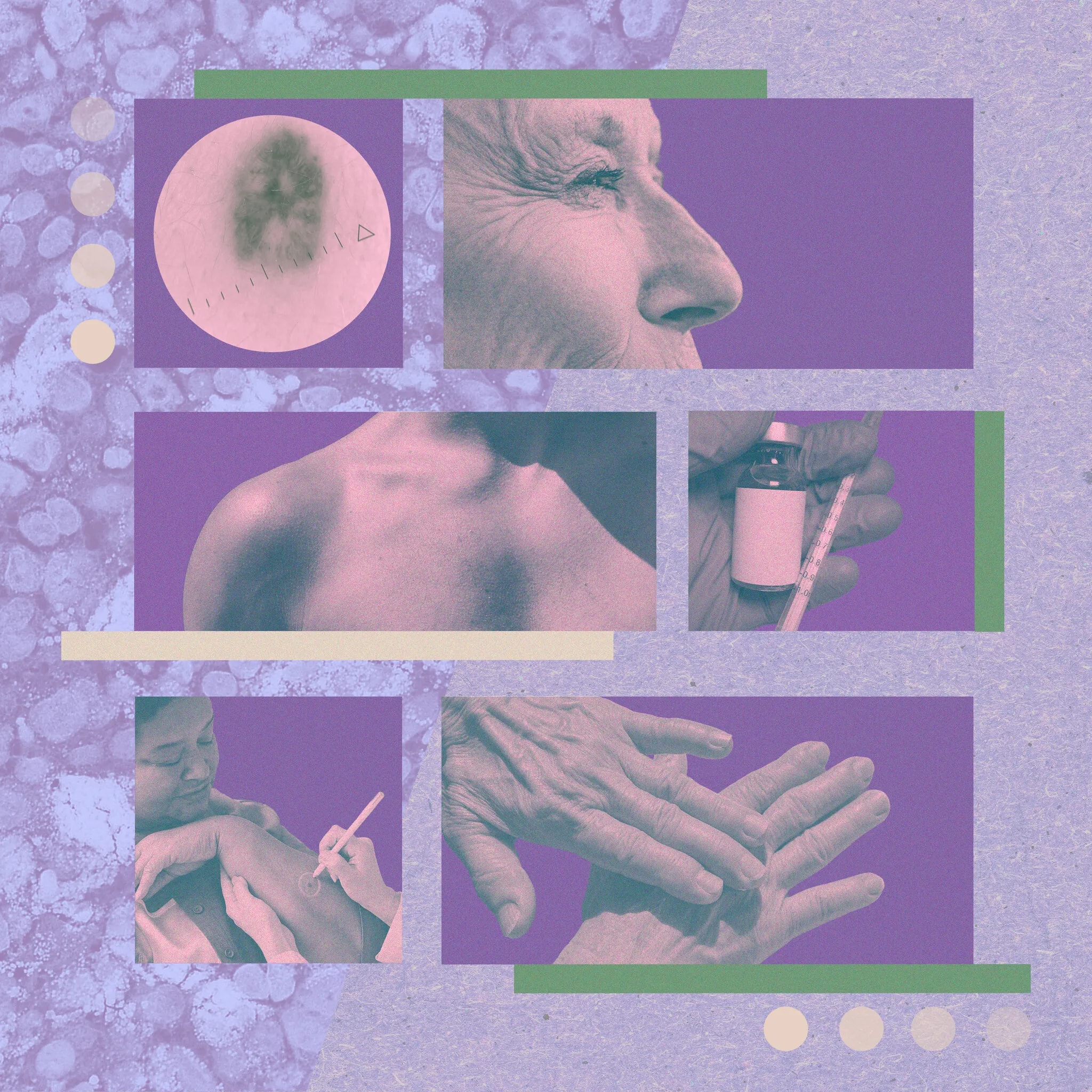
Patients with melanoma have been offered a rare commodity in oncology this week: a reason to feel hopeful that does not rest on surgery or drugs alone. A vaccine designed to treat the disease rather than to prevent it has been reported as a meaningful advance, and the news has travelled quickly through clinics that deal with this aggressive form of skin cancer.
The public still meets the word vaccine in the context of measles, influenza or polio, where the aim is to stop an infection before it starts. The melanoma work belongs to a different tradition. It seeks to show the immune system the distinctive marks of tumour cells so that the body can hunt them after they have already appeared, and so that they are less likely to return once a surgeon has removed what can be seen.
“Hope in this field is a practical thing. It is the chance that the immune system can be taught to keep watch after the operation is over.”
— Kings Journal science desk
Melanoma has for years been a central test for treatments that enlist the immune system. The disease remains dangerous, particularly once it has spread, and patients have needed more than surgery and standard medicines. A vaccine that can be given as treatment is being read as one more instrument in that effort, and as a source of hope that is concrete rather than rhetorical.
The view beyond melanoma
Scientists are not stopping at the skin. They are studying cancer vaccines for glioblastoma, for pancreatic cancer and for other tumours that have proved far less yielding. The logic is straightforward even if the biology is not. If the immune system can be trained to recognise one cancer, researchers want to know whether it can be trained to recognise others that still leave patients with too few options.
- Melanoma, the disease in which the present hope is most clearly formed
- Glioblastoma, a malignant brain tumour now entering vaccine studies
- Pancreatic cancer, long among the most difficult solid tumours to treat
- Further cancers that researchers are beginning to bring into the same experimental frame
None of these efforts is a simple copy of another. A vaccine that helps in melanoma may fail in the brain or in the pancreas, where the tumour, the surrounding tissue and the immune environment all differ. The decision to try anyway reflects a shift in confidence: that the idea is now mature enough to be tested where the need is greatest.
What the hope does not yet settle
Caution is not the enemy of this news. It is the condition of taking it seriously. A single encouraging result in melanoma does not guarantee benefit in glioblastoma or in pancreatic disease. It does not tell a patient how long protection might last, nor how a vaccine should sit beside surgery, radiotherapy or existing immunotherapy. Those answers will come only from careful study, patiently done.
“Beyond melanoma the scientific task is to find out whether a hopeful idea can travel into cancers that have offered patients little mercy.”
— Kings Journal science desk
For now the story is both smaller and larger than a miracle. Smaller, because melanoma is still a formidable illness and a vaccine is not a cure by proclamation. Larger, because a tool once imagined as a distant prospect is being actively extended to some of the hardest problems in cancer medicine. Patients are entitled to the hope. They are equally entitled to honesty about how much remains to be proved.