
There are elections that change who holds power and elections that change what a movement believes about itself. For the American progressive left the coming midterms belong firmly in the second category. A populist message, the left insists, can attract people who do not already speak its language. Moderates and conservatives are not to be written off. They are to be won.
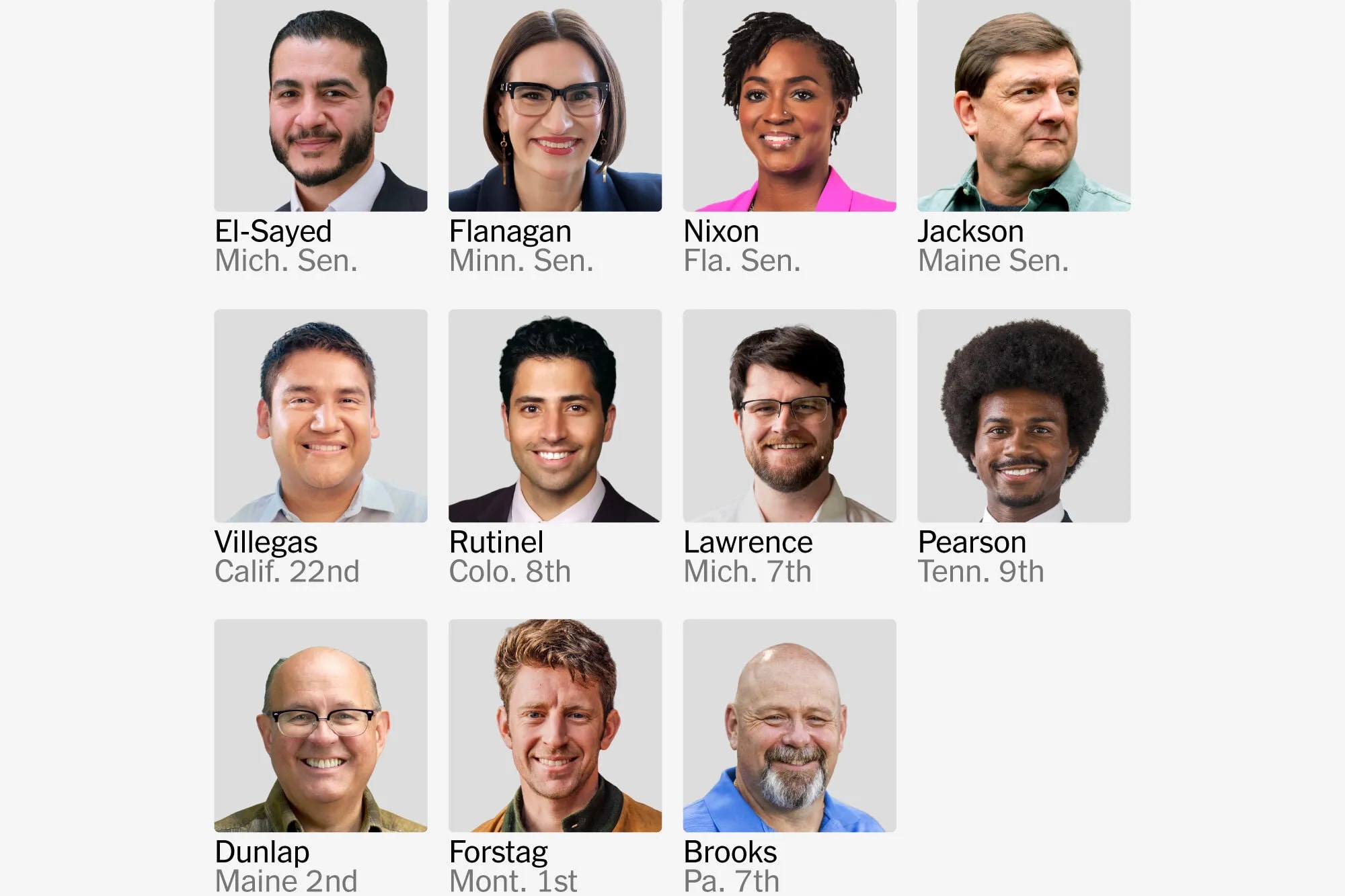
That proposition will be examined in eleven competitive races on Election Day. The contests have been treated by organisers as a single argument made in different places: that economic anger, public provision and an attack on concentrated wealth can assemble a coalition wider than the liberal vote. If the argument succeeds, the progressive movement will claim a mandate to pull national Democratic politics towards its programme. If it fails, the movement will face a colder accounting.
“Moderates and conservatives are not beyond the reach of a populist message. They are part of the audience it was written for.”
— The electoral case advanced by progressive organisers
A movement looking for proof
The significance of these races lies less in any single office than in the story the left wants to tell about itself. For years progressive politics has been charged with preaching to the converted and with mistaking online energy for a governing majority. The reply has been that the converted were never the point. The point was a broader public, including voters who might usually favour Republicans, if the message were economic rather than cultural.
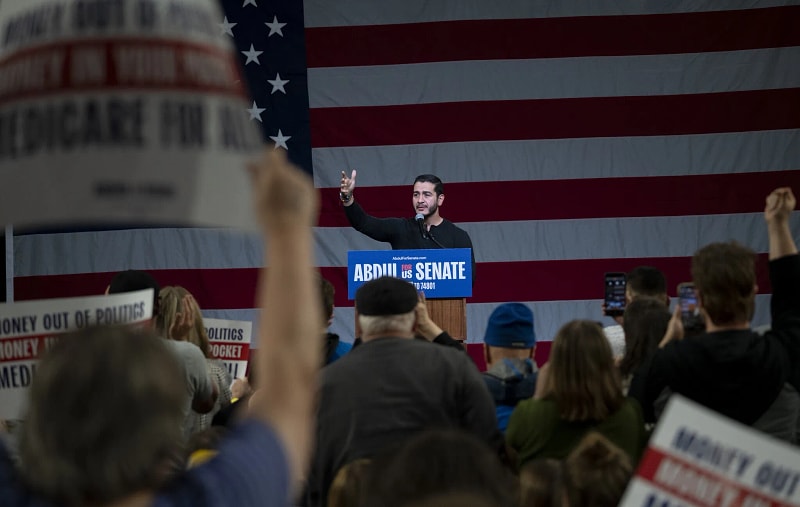
Campaigns associated with Cynthia Nixon, Abdul El Sayed and Flanagan have become part of that reply. They sit inside a wider slate whose results will be scoured for signs that populism can travel. Nobody can yet forecast those results with honesty. What can be said is that the movement has chosen to be judged in the open, in races that are competitive rather than ornamental.
“Election Day will not only hand out offices. It will tell the left whether its future is a wider coalition or a louder conversation with itself.”
— The choice facing the progressive movement
What the results will be taken to mean
Interpretation will be swift and it will be partisan. Success for populist candidates in difficult terrain will be presented as evidence that the left can expand. Defeat will be presented as evidence that it cannot. Both readings will be too neat. Local factors, candidate quality and national mood all weigh on midterm outcomes. Even so, movements live on narratives, and this one has invited a narrative about its own reach.
Three questions will dominate the morning after.
- Whether populist campaigns improved their standing with voters outside the liberal core
- Whether Democratic leaders treat the results as a cue to move towards the left or to keep their distance
- Whether the progressive movement still believes its message is a majority message once the votes are counted
The left has argued that it does not have to choose between purity and persuasion. It has argued that the same populist story can do both. Eleven races will not settle the argument for a generation. They will, however, make it harder to sustain as an article of faith alone. After Election Day the movement will have returns, not merely a theory, and it will have to live with them.