
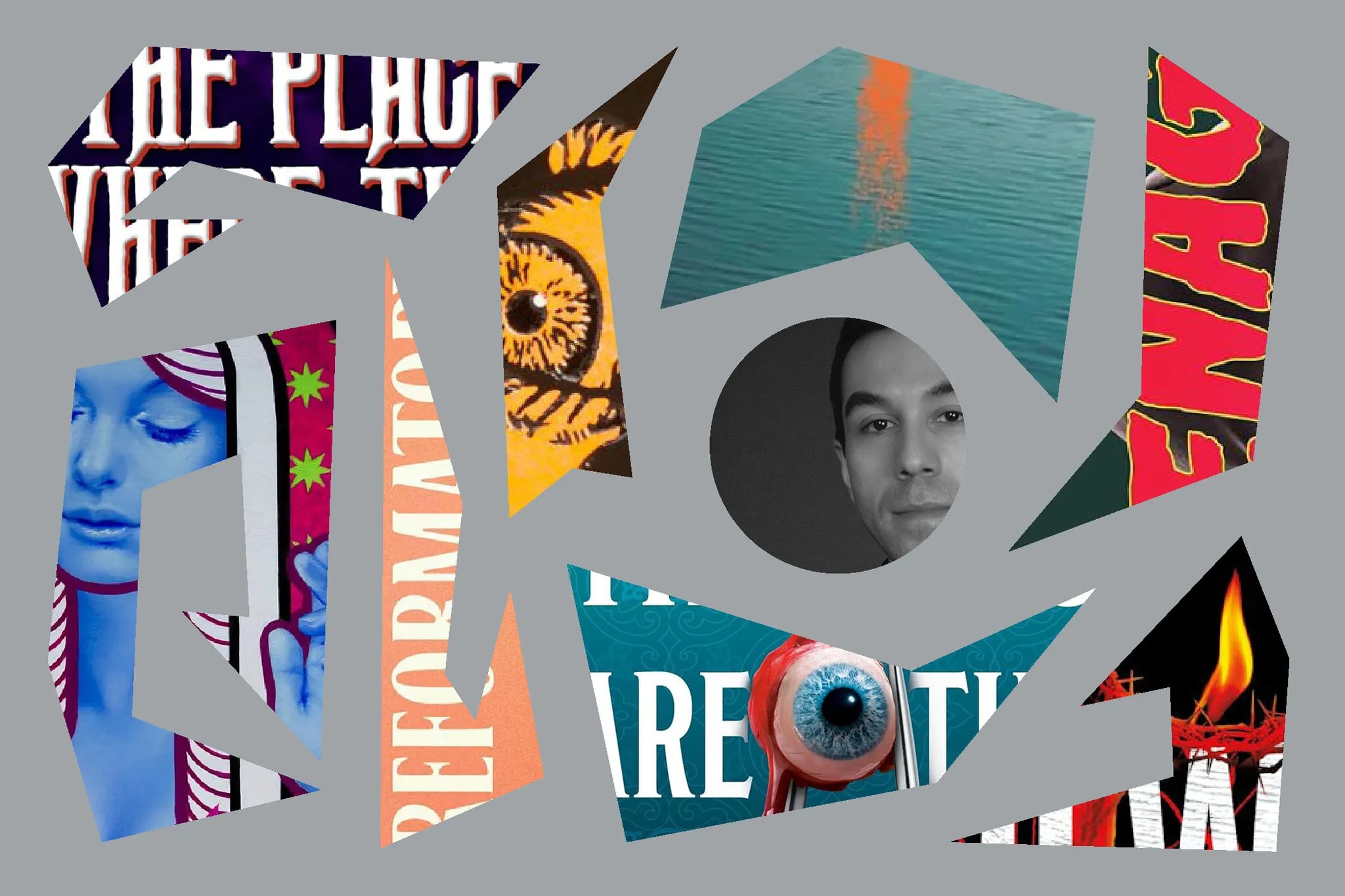
Horror cinema is a short, sharp shock. Two hours, a dark room, then a walk home in which every footstep sounds newly deliberate. What the form cannot easily do is stay. This week the novelist Nick Medina, writing in The New York Times, offers a more lasting prescription. He recommends novels chosen to restore the particular atmosphere of films that audiences already know by heart, among them The Thing and Scream.
The point is not to reprint a film in chapters. Medina appears less concerned with retelling plots than with matching a climate of fear. The Thing remains a closed study in suspicion, in which the monster may already be sitting in the next chair. Scream remains a sly piece of panic, in which a masked killer has seen all the same pictures as the victims. To pair such works with novels is to admit that dread has a flavour, and that readers go hunting for it long after the credits.
“What's your favorite scary movie?”
— Scream, 1996
A question the page can answer more slowly
That line, thrown out in the opening of Scream, is the one Medina is in effect answering, only he answers it with spines rather than reels. The readers he addresses already have their favourite scary films. What they want again is duration: a fear that can be picked up on the night bus and still be waiting at the breakfast table.
A film must keep moving. A novel can refuse to. The Thing works because it traps a small group and then removes the possibility of trust. Fiction can live inside that claustrophobia for hundreds of pages, turning every conversation into a test. Scream works because it lets an audience feel clever and then punishes the cleverness. Fiction can play the same game with a reader who believes the rules have already been learned.
“Nobody trusts anybody now, and we're all very tired.”
— The Thing, 1982
What such books are for
Medina’s guide treats beloved cinema as weather to be found again in prose. The Thing and Scream sit at opposite ends of modern fright, which is precisely why they make such useful measures. One freezes a community until nobody can be sure who remains human. The other looks the genre in the eye and still draws blood. Readers who want that charge to last are not being sent back to the screen. They are being sent to sit with it.
- A slower unravelling of suspicion of the sort made famous by the frozen outpost in The Thing
- A willingness to look the genre in the eye as Scream did, without losing the power to shock
- A private darkness that does not end when the living room lights come back on
The list arrives at the point in the calendar when people begin to choose their fears more carefully. Some will go from the piece straight to the bookshop. Others will only cross the room to a shelf they already own. Either way the invitation is the same. If a film taught you how to be afraid, a book may be what keeps the lesson from fading. The Thing and Scream remain, for many, the measure of a certain kind of night. The novels that can stand beside them are not substitutes. They are the fear, continued.