
Gifts left at charity shops and collection points are widely assumed to be an uncomplicated public good. Reporting on donation practices suggests that is not always so. When items arrive in a condition that makes them impossible to sell or reuse, organisations can be left paying to dispose of them — turning an intended act of generosity into an extra bill.
The problem is illustrated by donations that are plainly unfit for purpose: books spoiled by mould, and boots that are dirty and unsaleable. Such goods cannot be placed on the shop floor or passed on to people in need. Instead they join a stream of waste that charities must handle, often at significant expense.
“From mould-damaged books to soiled footwear, charities are spending large sums simply to bin items that were never going to be sold.”
— BBC News
When a donation becomes a disposal cost
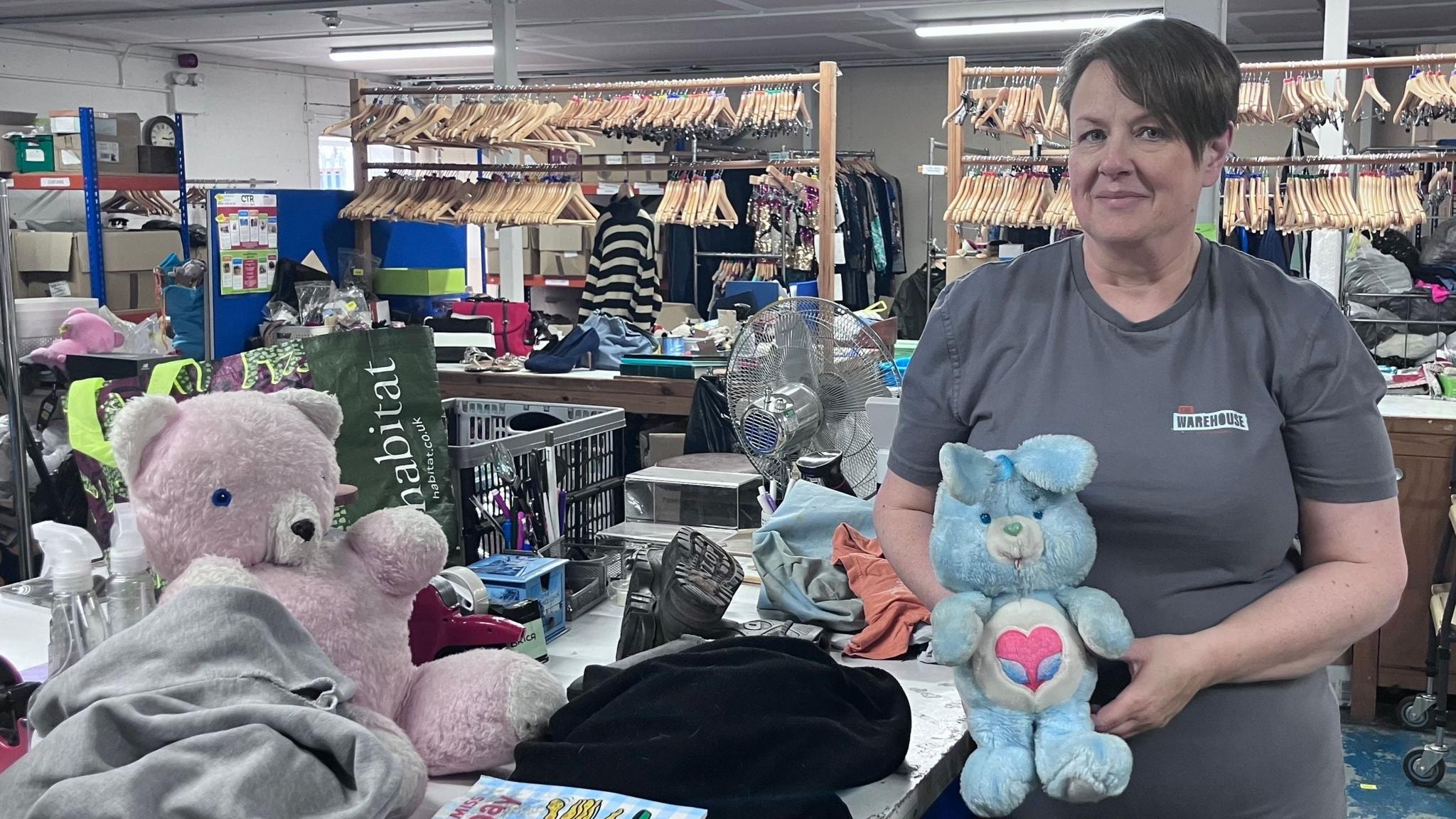
Charity retail depends on a steady supply of clean, usable stock. Staff and volunteers still have to sort, assess and store whatever is left at the door. Unsellable material consumes that labour and then incurs further costs for collection, landfill or other forms of disposal. Those outlays come from the same budgets that would otherwise support services, grants or emergency relief.
In that sense, a donation can do harm relative to its intention. The donor may feel they have helped. The organisation, meanwhile, has absorbed time and money that produce no benefit for beneficiaries. The BBC’s account of the issue frames this as a structural strain, not a handful of isolated mishaps.
- Mouldy books and other damaged reading material that cannot be sold or redistributed
- Dirty boots and similarly soiled clothing or footwear unfit for the shop floor
- The subsequent cost to charities of throwing unsellable donations away
Goodwill that never reaches the cause
None of this implies that giving should stop. Usable donations remain a mainstay of charity shops and of in-kind aid. The caution is narrower: items that are dirty, decayed or otherwise unsellable do not become useful merely because they are handed over with good intentions. They become someone else’s waste problem.
“Some charity donations do more harm than good when the cost of discarding them outweighs any value they could have offered.”
— BBC News
For the public, the practical test is straightforward. If an item would not reasonably be sold, worn or read in its present state, it is unlikely to help a charity either. Passing it on may only shift the burden of binning it — and the bill — onto organisations that can least afford the diversion.