
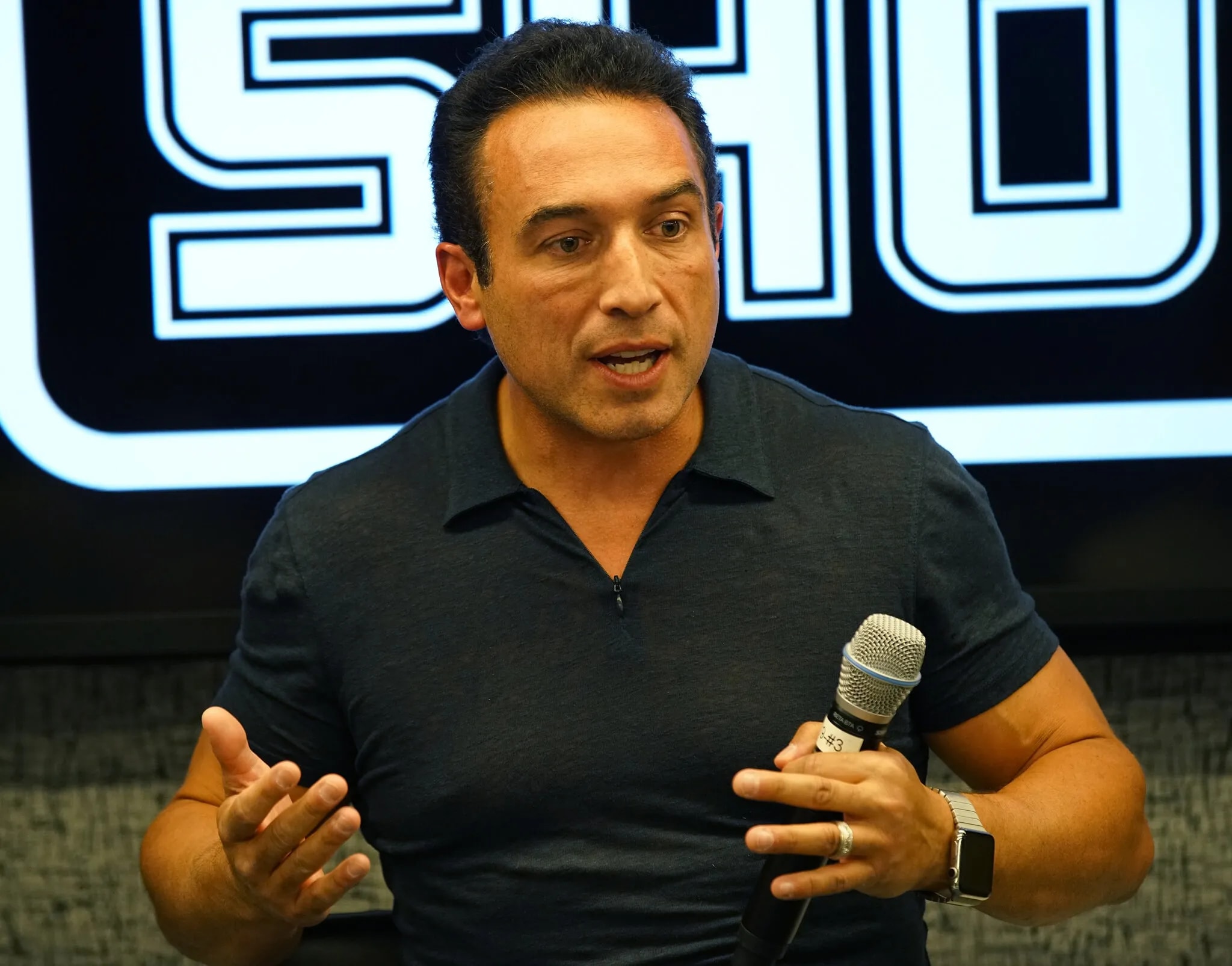
The songs needed no fans. They needed only to be counted. On that slender premise Michael Smith assembled a catalogue with artificial intelligence, set bots to play it without pause, and collected as much as $8 million in royalties from music streaming platforms, prosecutors said. A court has now jailed him for 18 months.
The prosecution case described a simple loop. Tracks were generated by machine. Automated accounts streamed them again and again. Each play was logged as if a person had pressed the button. The money followed the count.
“Smith flooded music streaming platforms with bots that repeatedly streamed his artificially generated music, earning him as much as $8 million.”
— Prosecutors
When a stream is not a listener
Most streaming services pay rights holders from a pool of money divided according to play share. Flood that system with automated listens and a catalogue nobody has heard can still generate a fortune. The cost is borne by performers whose real listeners then command a smaller slice.
Mr Smith, prosecutors said, did not wait for an audience to arrive. He manufactured the appearance of one. Artificial intelligence supplied the music at speed. Bots supplied the applause. Royalty statements supplied the cash.
“He earned as much as $8 million by flooding music streaming platforms with automated plays of his own machine generated tracks.”
— Prosecutors
Eighteen months
The prison term is short beside the sums involved and long beside the casual view that fake streams are a prank at the edge of the industry. It treats the conduct as theft from a collective pot, not as a clever hack of a website.
Streaming firms have been given a criminal case, not merely a terms of service dispute. Musicians have a warning that the pipes carrying their work can be stuffed with machine made noise. Anyone tempted to let a model write tracks and a script play them overnight has been shown the destination. Not a hit. A cell.