
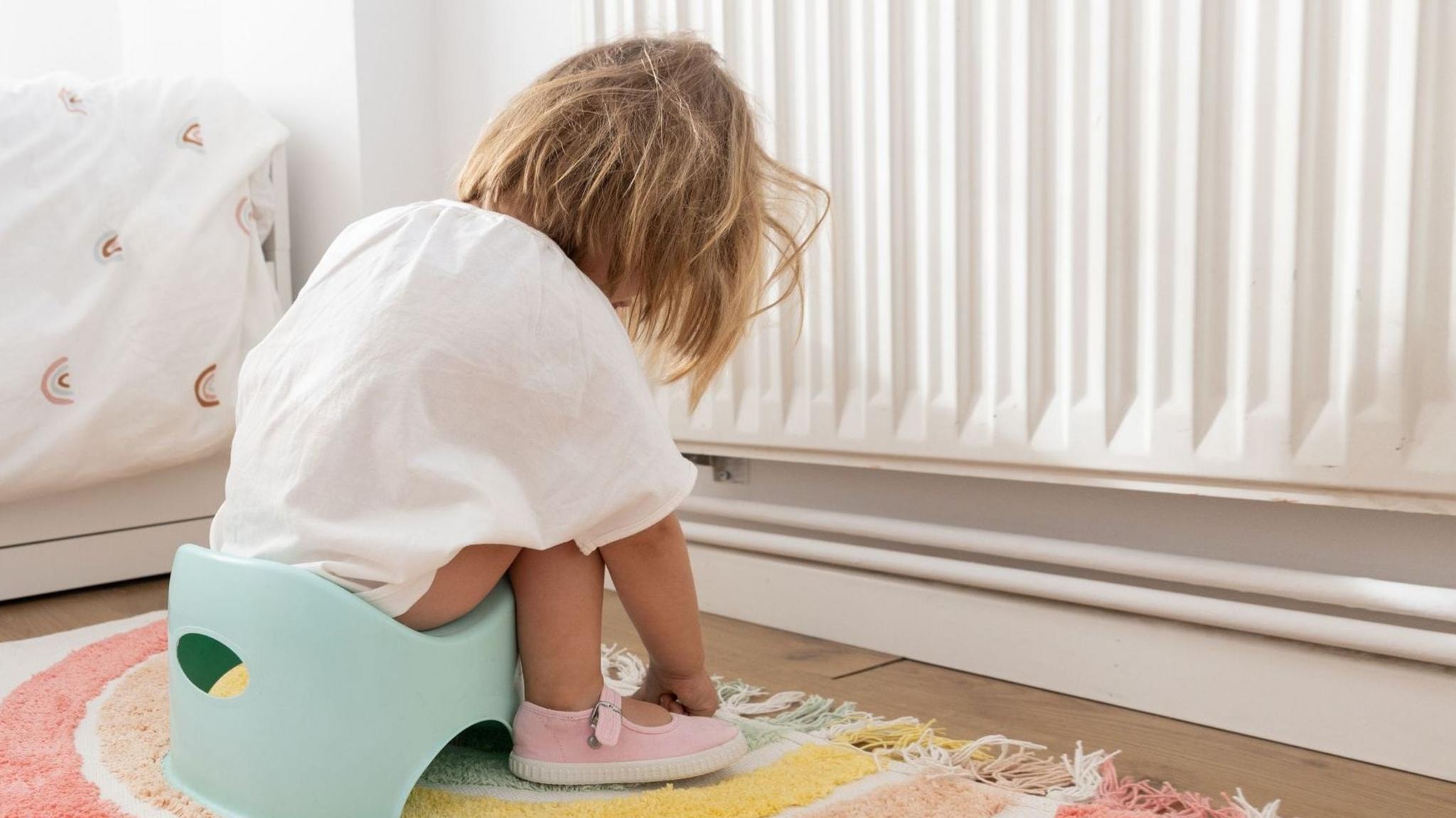
A government scheme intended to support potty training is to be extended to 20 more areas, according to reporting on the latest early-years plans. The expansion comes as ministers pursue a national ambition for children’s development in the first year of school.
Few operational details have been set out in the material available, including which localities will take part and how the programme will be delivered. What has been made clear is the scale of the next phase — 20 further areas — and the broader outcome the government says it wants to achieve by the end of the decade.
“The government wants 75 per cent of children to finish their first year of school with a good level of development by 2028.”
— Government early-years target, as reported
A development goal, not only a toilet-training drive
Officials have framed the scheme within a wider push on school readiness rather than as a stand-alone public health campaign. Reaching a “good level of development” by the close of the first school year is the benchmark cited, with 2028 given as the date by which three-quarters of children should meet it.
That target implies a substantial lift in early-years outcomes nationwide. The potty-training programme appears to be one practical measure in that effort, aimed at families and settings in areas that will now be added to those already covered.
“A potty-training scheme is to roll out to 20 more areas.”
— BBC News report on the government plan
What is known — and what is not
On the publicly reported facts, the picture remains limited. The initiative is already under way in some places, hence the reference to “more” areas, and the next stage is a defined numerical expansion. The government’s 75 per cent development goal by 2028 supplies the policy context.
- The scheme is being extended to 20 additional areas
- It is presented as support for potty training in the early years
- The government has set a 2028 target for 75 per cent of children to leave their first school year with a good level of development
Kings Journal has not independently verified funding, eligibility, or the list of participating areas. Those particulars were not included in the source account and are therefore omitted here. Further official guidance would be needed to establish how families will access the scheme and how success will be measured locally.