
Few executives in technology inspire such sharply opposed readings. Dario Amodei, the chief executive of Anthropic, is at once praised as a responsible steward of powerful systems and dismissed as a doomer whose warnings serve his firm as much as the public. The clash says as much about the industry’s nerves as it does about the man.
Anthropic sits among the handful of companies at the centre of the present boom. That would make its leader a figure of interest in any case. What has turned Amodei into a symbol is not a product launch or a funding round but a dispute over interpretation. One camp hears in his public remarks an obsessive focus on distant catastrophe. Another hears a laboratory boss doing the minimum that responsibility requires.
“The clash says as much about the industry’s nerves as it does about the man.”
— Kings Journal
Doomer or steward
The word doomer is now thrown around Silicon Valley with little precision. Applied to Amodei it is meant to sting. It suggests a person so seized by worst case thinking that he would throttle a technology of vast commercial promise. In that telling, caution is not prudence. It is a bid to slow rivals, to invite regulators, to claim the moral high ground while still shipping products.
The opposing portrait is almost a mirror image. In that version Amodei is a responsible technologist precisely because he refuses to pretend that scale is an unalloyed good. Supporters argue that a chief executive whose company is building the systems in question has a duty to describe their hazards in public, even when investors would prefer a simpler story of growth.
Those two readings now in circulation can be stated plainly.
- Critics treat his warnings as a form of obstruction, a brake on research and a gift to politicians looking for a reason to intervene.
- Supporters treat the same warnings as evidence of seriousness, the difference between a laboratory that understands its own power and one that does not.
Why his thinking is under the microscope
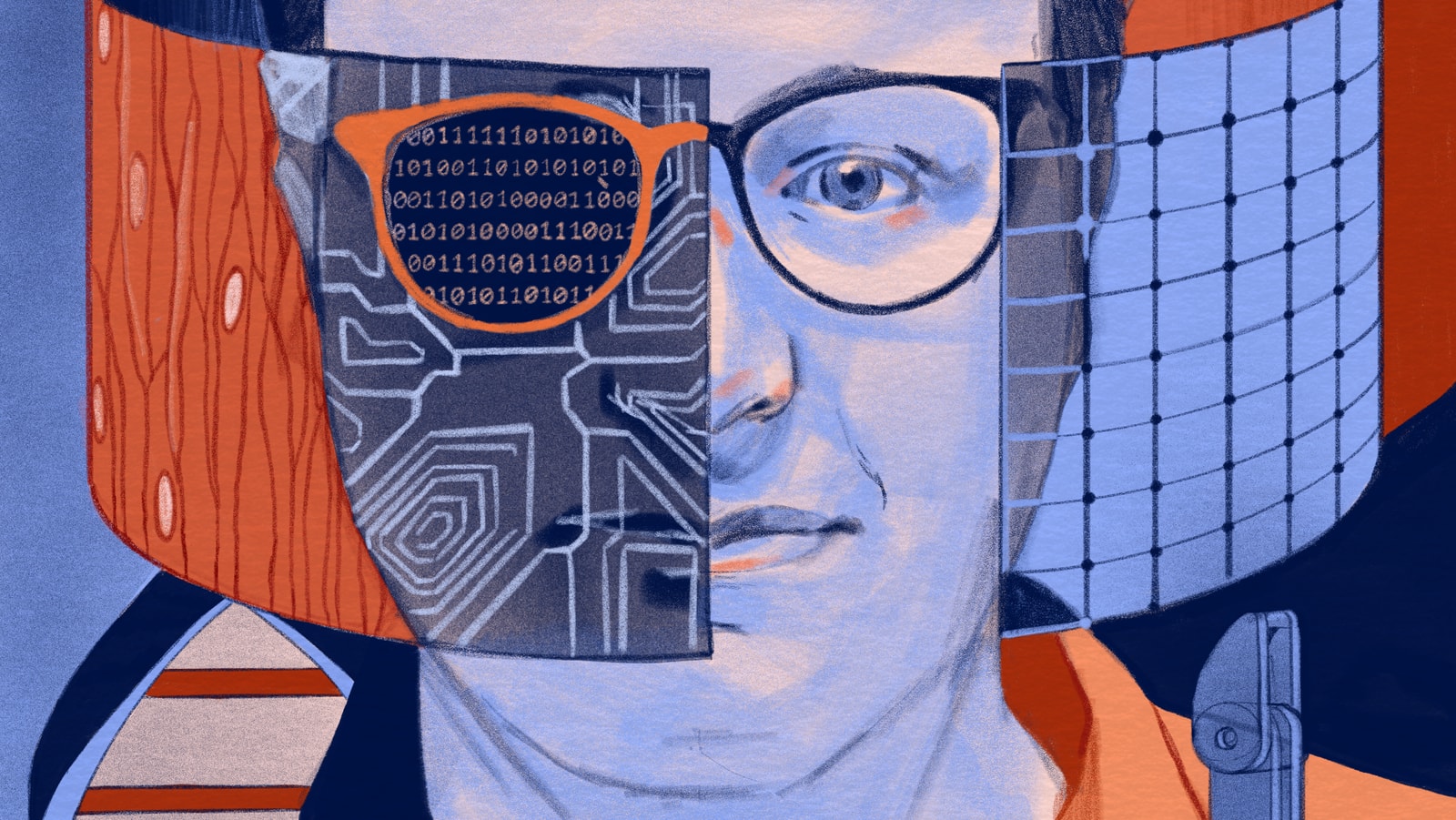
A recent examination of Amodei’s intellectual formation, published in the American press, has asked a more biographical question. What shaped the way he thinks about artificial intelligence in the first place? The appetite for that story is itself revealing. When a small number of private companies can alter the tools that governments, schools and newsrooms use, the inner life of their leaders becomes a public concern.
“When a small number of private companies can alter the tools that governments, schools and newsrooms use, the inner life of their leaders becomes a public concern.”
— Kings Journal
Kings Journal has not been given a private window into that formation, and it would be dishonest to invent one. What can be said from the public argument is simpler. His reputation was not produced by a single speech. It has accumulated as Anthropic has grown and as he has chosen, more often than many peers, to discuss danger alongside capability.
None of this settles whether the doomer charge is fair. That verdict depends on facts the public still lacks: how the models behave, what the laboratories hold back, and whether the people in charge would actually stop a training run if they believed the risk had become too high. Until those facts are clearer, Amodei will remain a screen onto which the industry projects its own hopes and dreads.
For now the more useful observation is political. The fight over his name is a fight over permission. If he is merely a doomer, then the boom can proceed with a clearer conscience. If he is a responsible technologist, then the boom’s loudest champions have a harder time dismissing every warning as theatre. That is why the argument will not end with a profile, however searching, of one chief executive.