
The United States has opened a new front in its long-running pressure campaign against Iran, announcing a global economic offensive designed to restrict the country’s access to revenue and to push it further from international markets. Officials have styled the effort Operation Economic Outcast.
The announcement, made on 24 August 2026, was presented by the Trump administration as an escalation of existing financial measures rather than a departure from them. At its centre is a pledge to tighten sanctions with the explicit aim of reducing the funds available to the Iranian state.
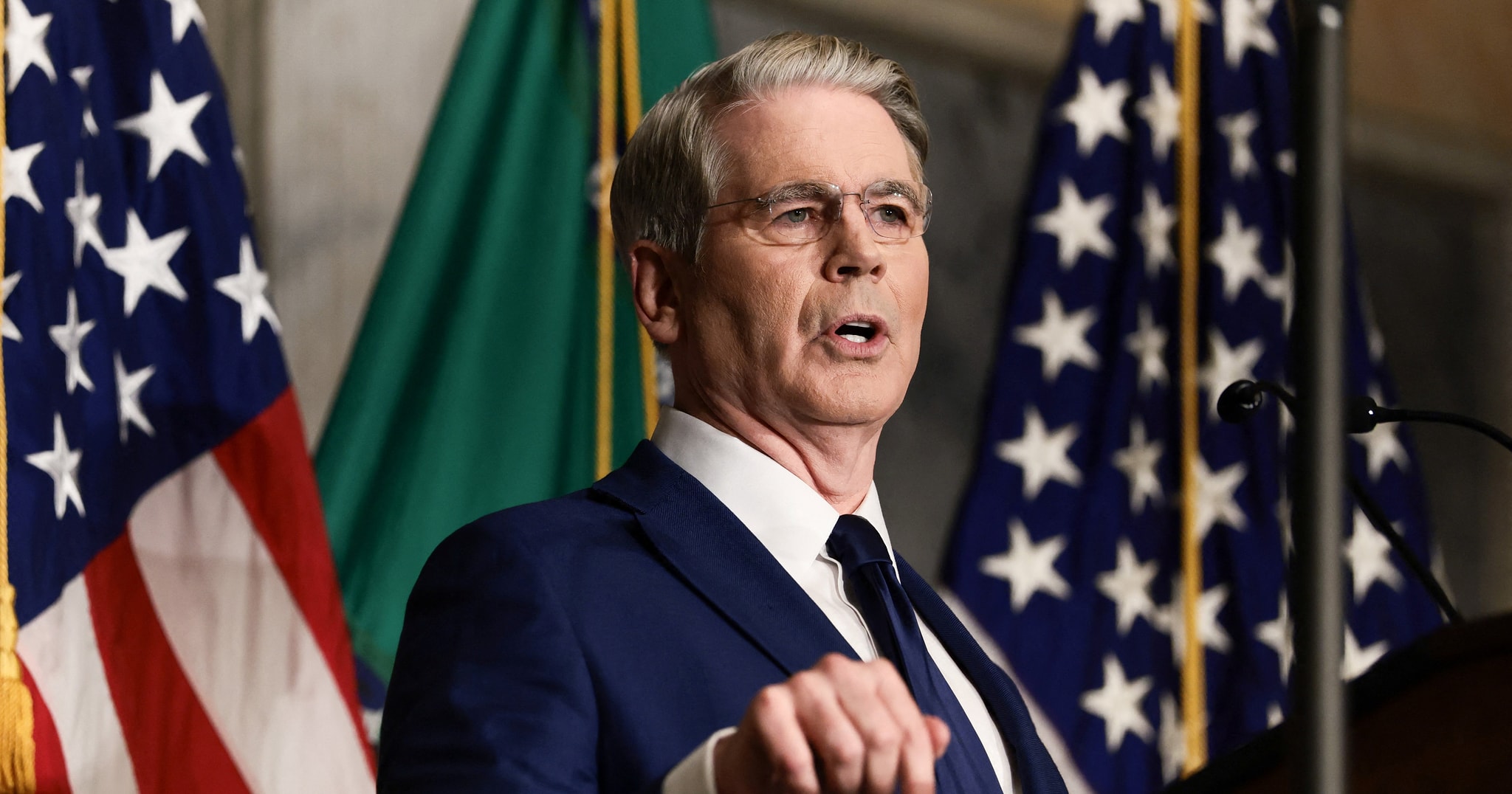
“Sanctions will intensify so as to choke off Iran’s revenues and isolate the country.”
— Treasury Secretary Scott Bessent
A campaign framed as economic isolation
Treasury Secretary Scott Bessent, who set out the administration’s position, cast the operation as an attempt to sever what Washington describes as Iran’s economic lifeline. In his account, the United States intends not merely to maintain existing restrictions but to apply them with greater force, in the hope of shrinking Tehran’s income and narrowing its room for manoeuvre abroad.
The language chosen by the White House is unusually blunt. By speaking of a global economic war on Iran, the administration has signalled that it wants partners, banks and trading counterparties to treat commercial ties with the Islamic Republic as a heightened political risk. The stated purpose is isolation: to make ordinary international business with Iran more costly, more complicated and, where possible, unsustainable.
“Operation Economic Outcast is intended to cut Iran’s economic lifeline.”
— US administration announcement
What Washington says it wants to achieve
Few operational particulars were attached to the initial announcement. The public case rests on three linked objectives that Bessent and the administration have placed on the record: a harder sanctions regime, a squeeze on Iranian earnings, and a concerted effort to leave the country more isolated.
- Intensify United States sanctions already directed at Iran
- Restrict the revenue streams on which the Iranian state depends
- Deepen Iran’s economic isolation from international commerce
- Sever what Washington calls the country’s economic lifeline
Those aims will be familiar to governments that have watched successive rounds of American measures against Tehran. What is new is the branding of the effort as a single, named operation and the insistence, from the Treasury itself, that pressure will now be applied more aggressively.
Whether the campaign can deliver the isolation it promises will depend on how far other capitals, energy buyers and financial institutions are prepared to follow Washington’s lead. The announcement itself offered no catalogue of fresh designations, no timetable and no assessment of how quickly Iranian revenues might fall. It did, however, leave little doubt about the administration’s intent: to treat Iran’s economy as a strategic target and to use sanctions as the principal instrument.
For now, Operation Economic Outcast stands as a political declaration as much as a technical one. Bessent has defined success in stark terms — less money reaching Iran, and a country pushed further to the margins of the global economy. The coming months will show how far that ambition is translated into enforceable measures, and how other governments respond to an American call for a wider economic siege.