
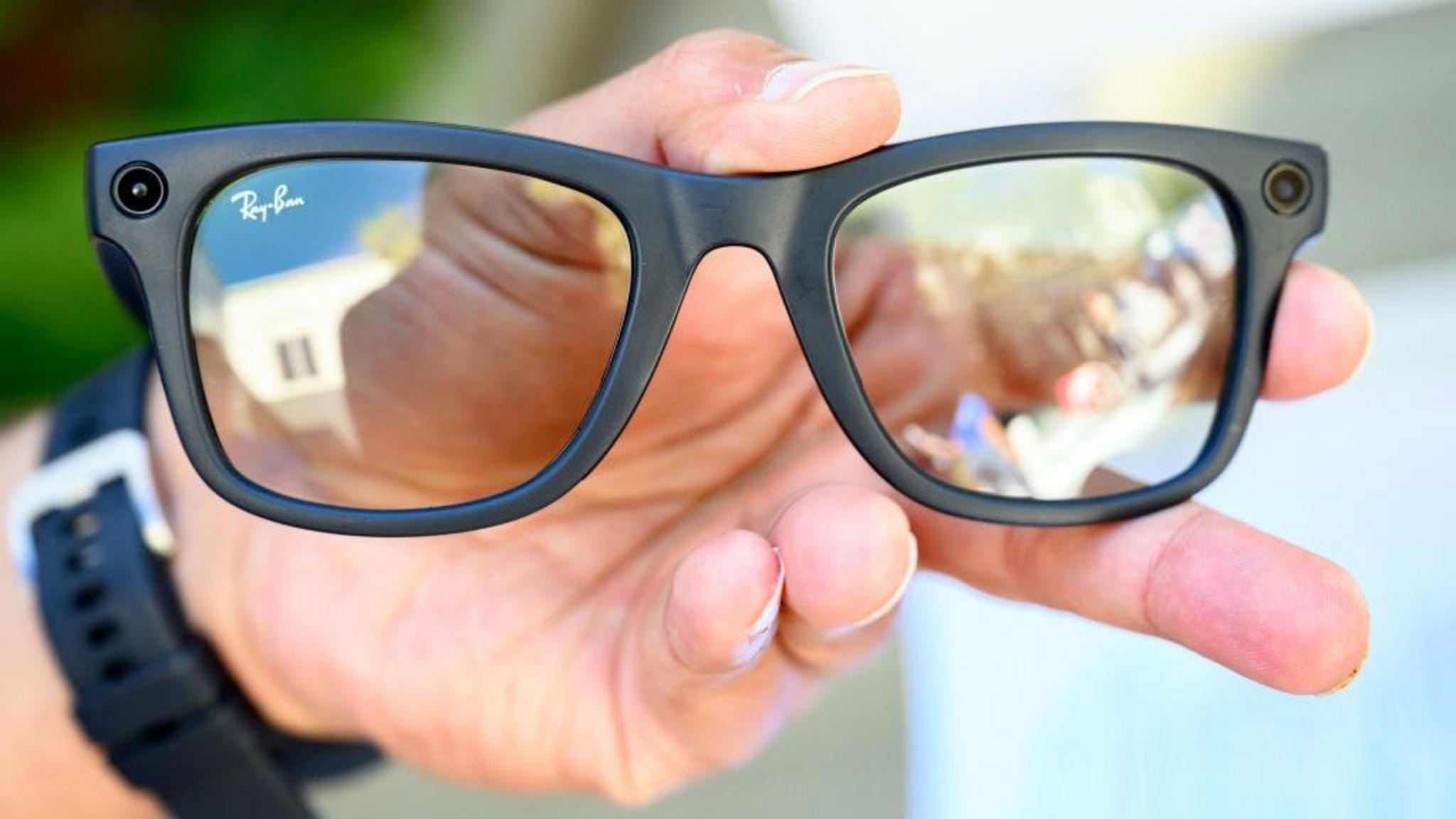
Smart glasses made by Meta, the company behind Facebook, WhatsApp and Instagram, have changed how easily people can record video while moving through public space. A smartphone held up to shoot still announces itself. Eyewear with a camera does not. That difference is now at the centre of a wider argument about privacy, courtesy and what strangers owe one another in shared places.
“Meta glasses have made it easier for people to film discreetly in public.”
— BBC News
When the camera no longer gives itself away
The practical effect of these devices is straightforward. They make discreet filming simpler than it was when recording almost always meant producing a phone. People in a queue, on a train, in a shop or on a pavement may be captured without the visual cue that once allowed them to object, step aside or change their behaviour.
That does not, by itself, settle whether the practice is wrong. It does, however, strip away a social warning that many had come to rely on. The debate now unfolding is less about a single gadget than about whether public life can still function if recording becomes both constant and hard to see.
Is it acceptable to film people in public?
“Is it okay to film people in public?”
— The question at the heart of the Meta glasses debate
The question being asked of Meta’s glasses is blunt. In many countries there is no general rule against photographing or filming in public. Parks, streets and transport hubs are not private rooms. Yet legality has never been the whole story. People still distinguish between being in public and being turned into footage without their knowledge, especially if that footage can be shared widely.
Glasses collapse that distinction in a way a visible phone does not. The wearer may be capturing a landscape, a landmark or a conversation. Bystanders cannot easily tell which. The discomfort is therefore not only about what is recorded, but about the loss of a chance to know that recording is happening at all.
Consent, courtesy and what happens next
Wearable cameras also sit inside a larger media system. Meta is not only a hardware maker; it is the company behind some of the world’s most used social platforms. Even where a clip is never posted, the possibility that a private moment in a public place could travel far beyond that place is part of why the glasses have become a lightning rod.
- Whether people in public can reasonably expect to notice when they are being filmed
- How far consent should matter when the setting is a street rather than a home
- What, if anything, should distinguish a raised phone from a camera built into glasses
- How footage of bystanders should be treated once it has been captured
None of those points is new. Hidden cameras, action cameras and always-on phones have raised versions of the same argument for years. What Meta’s glasses have done is make the problem ordinary: not a specialist tool, but something that can be worn as casually as sunglasses. That is why the old question — is it all right to film people in public? — has returned with unusual force.
Until law, design and social habit catch up, the burden sits with the wearer. The technology makes discreet filming easy. It does not make it thoughtful. How people use that ease, and whether others will tolerate it, will decide whether these glasses are treated as a convenience or as an intrusion hiding in plain sight.